
Mastication in Monkeys: A Biomedical Analysis of Capuchin Mandibles and Implications for Modern Clinical Care
Rachel M. Stout, OMSII; Gavin Caruso, OMSII: Evangelina O. Olivera, OMSII.
Supervised by Amanda L. Smith, PhD)
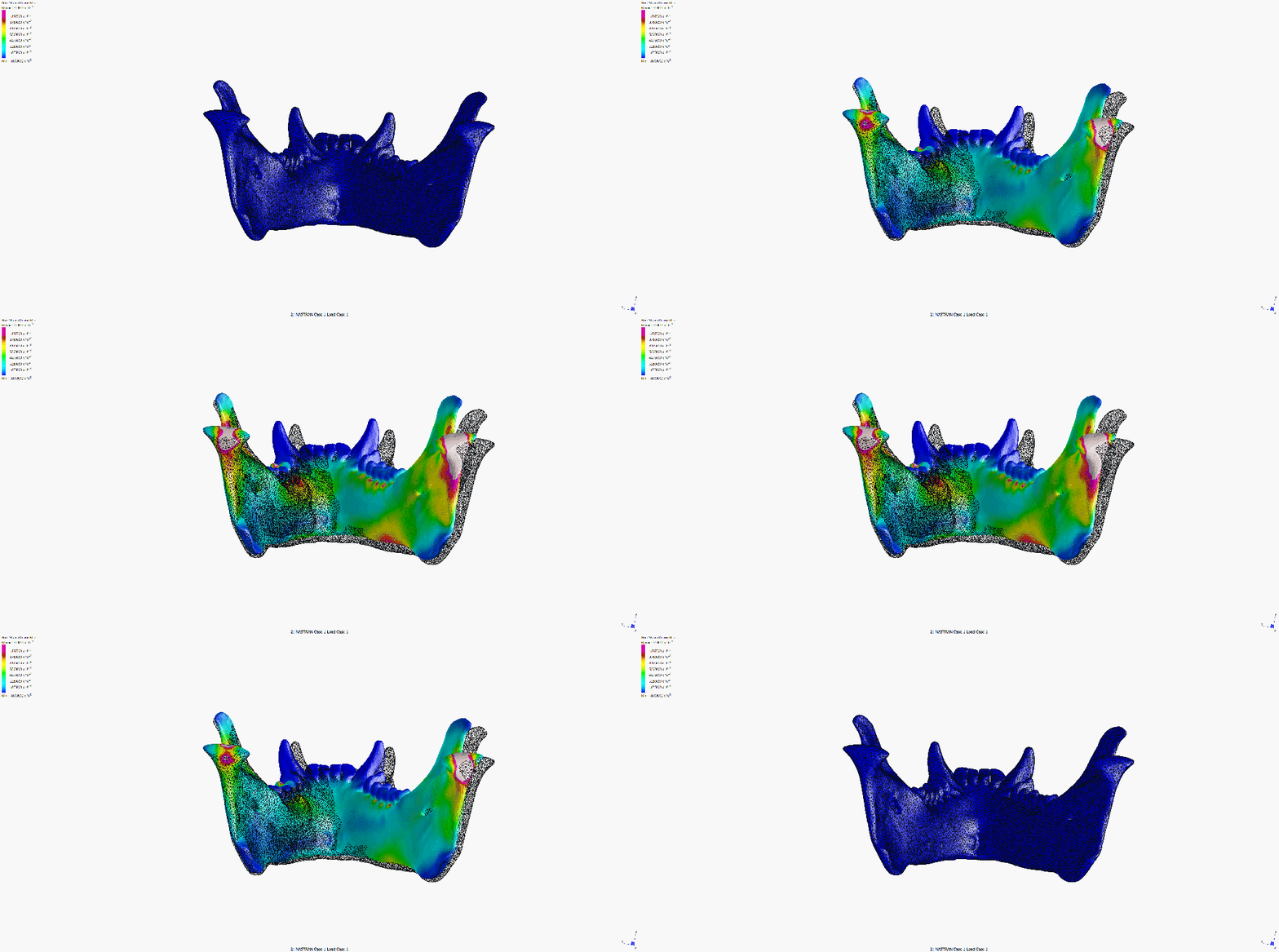
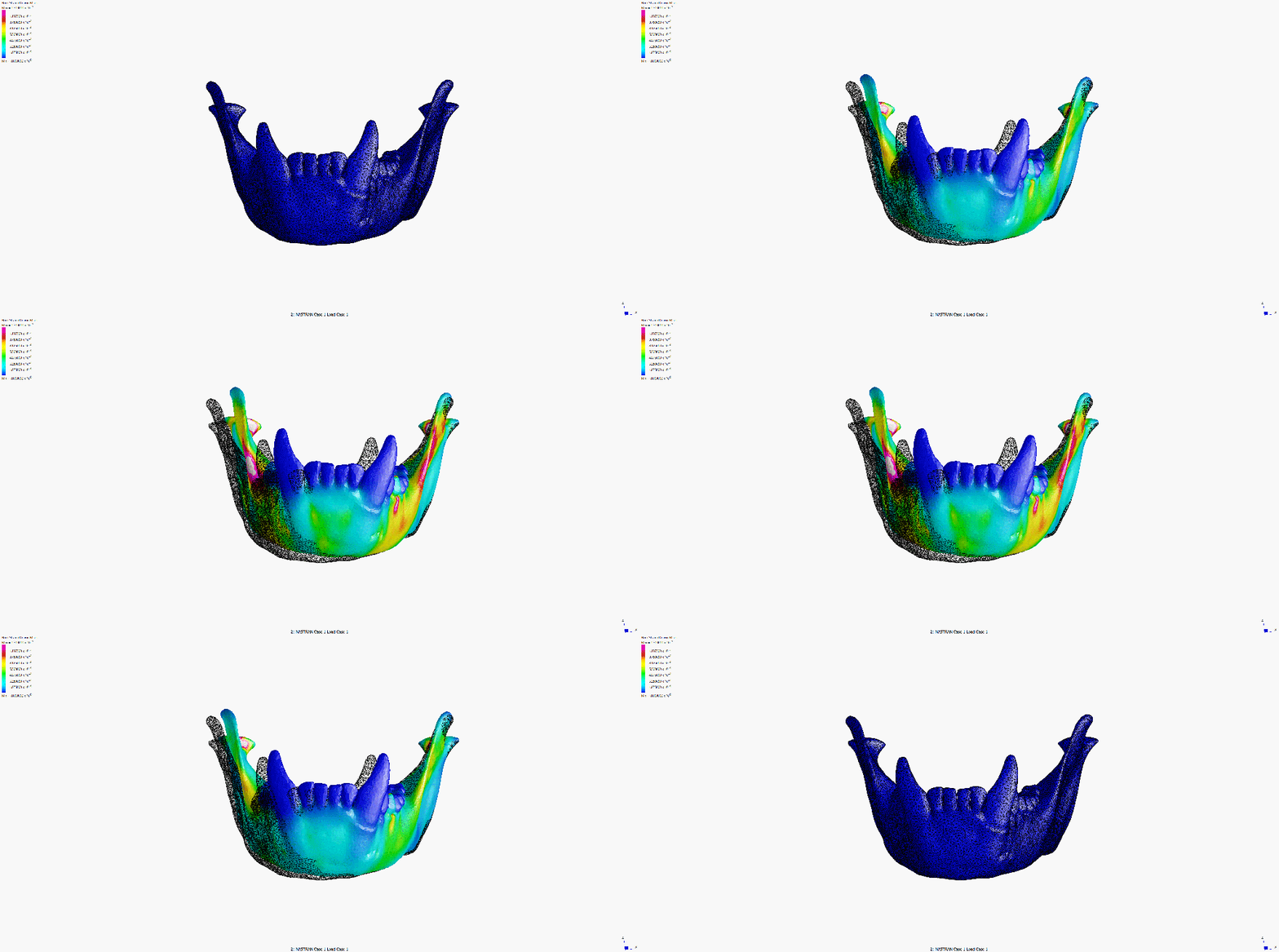
von Mises strain and deformation regime in three capuchin mandibles.
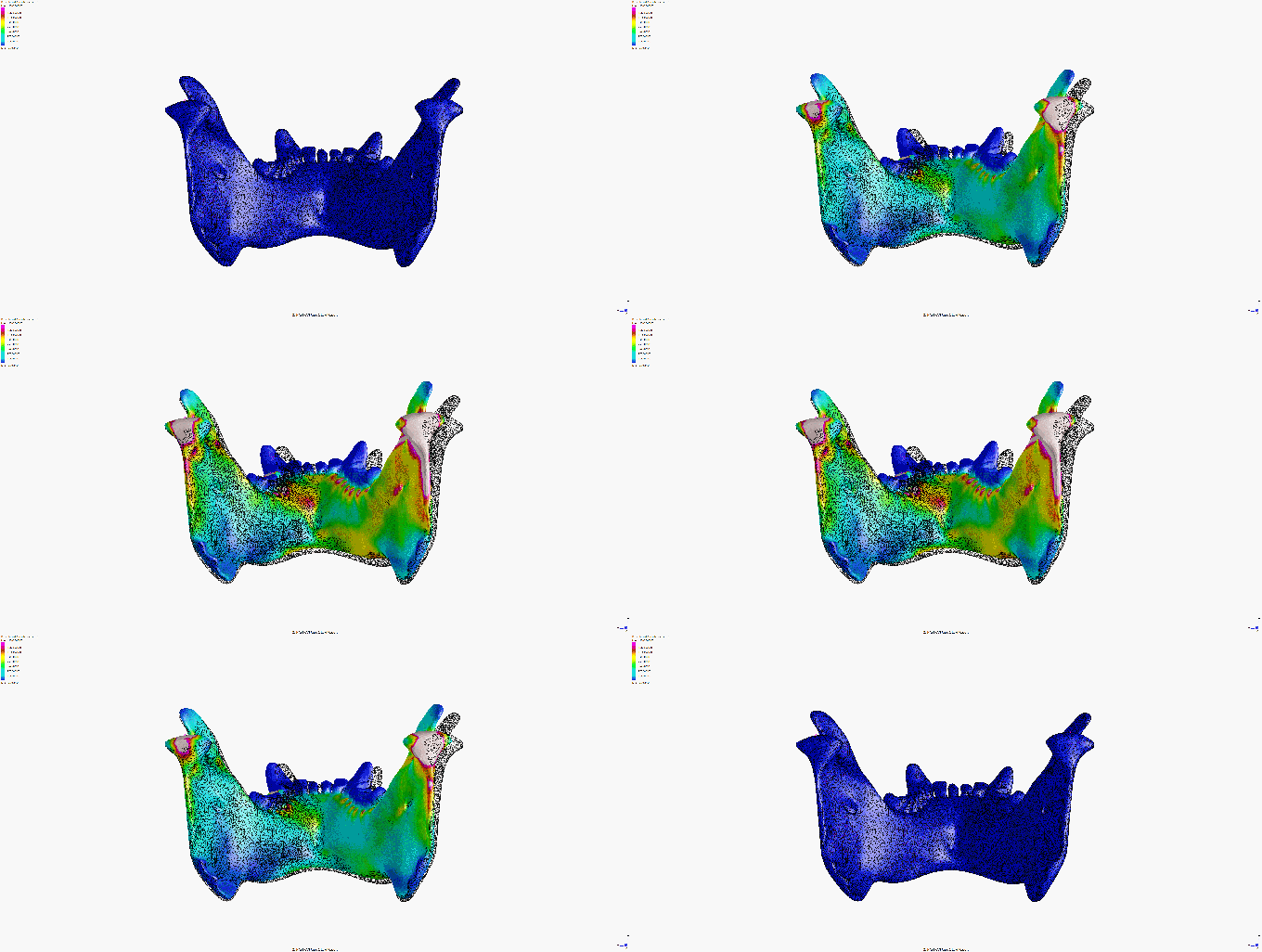
Deformation and strain regime of robust capuchin monkey (Sapajus apella). Posterior view above, anterior view below.
S. apella is a robust capuchin that eats very hard foods.
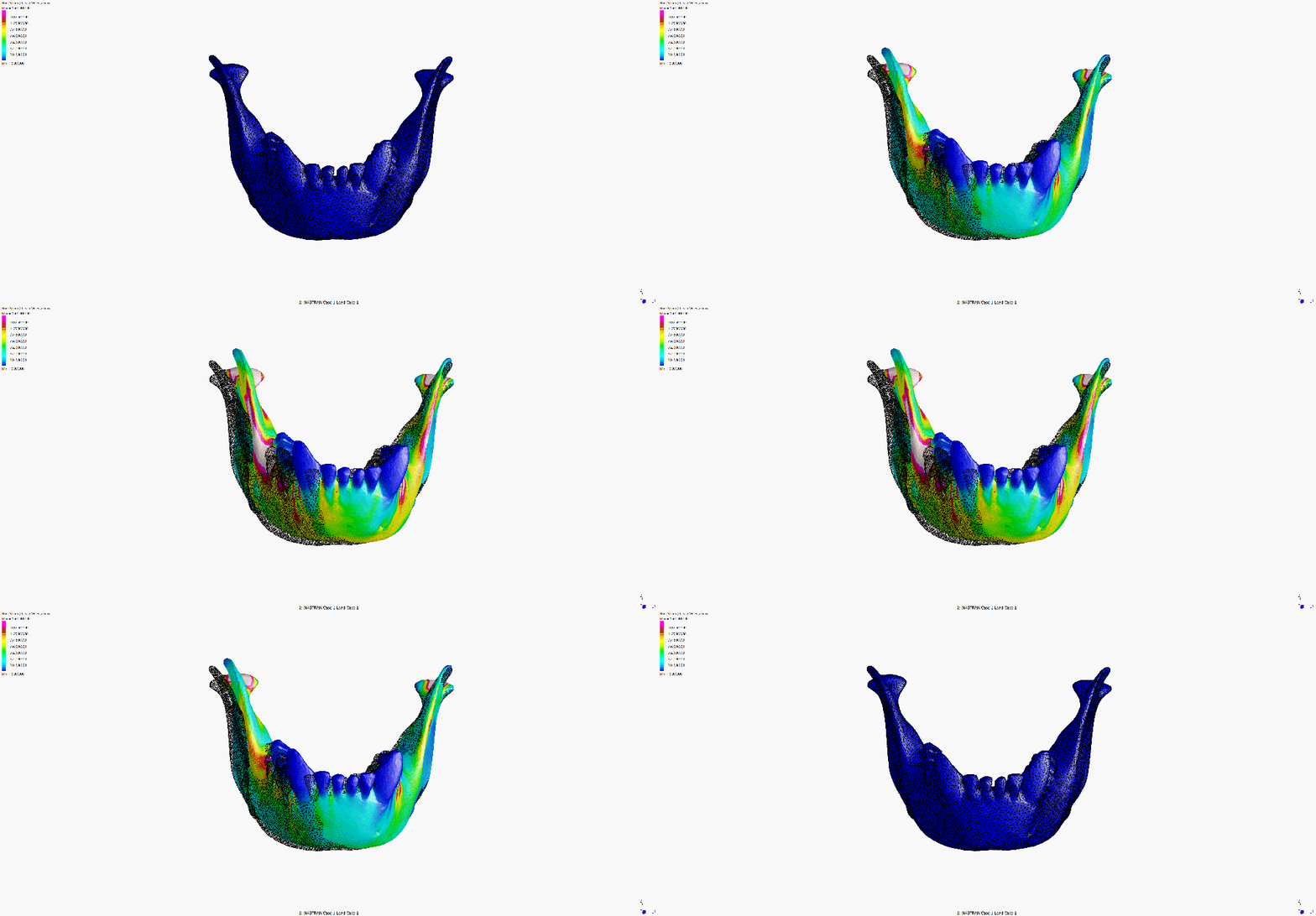
Anterior view. Note axial torsion of the balancing (left side) has the effect of inverting the alveolar process (corpus) and coronoid process (ramus) while everting the gonial angle. Balancing-side muscle transferred across the symphysis causes frontal bending and lateral transverse bending anterior to the bite point causing eversion of the anterior dentition. Posterior to the bite point, lateral transverse bending and elevation of the corpus and ramus occurs.
Deformation and strain regime of robust capuchin monkey (Sapajus libidinosus). Posterior view above, anterior view below.
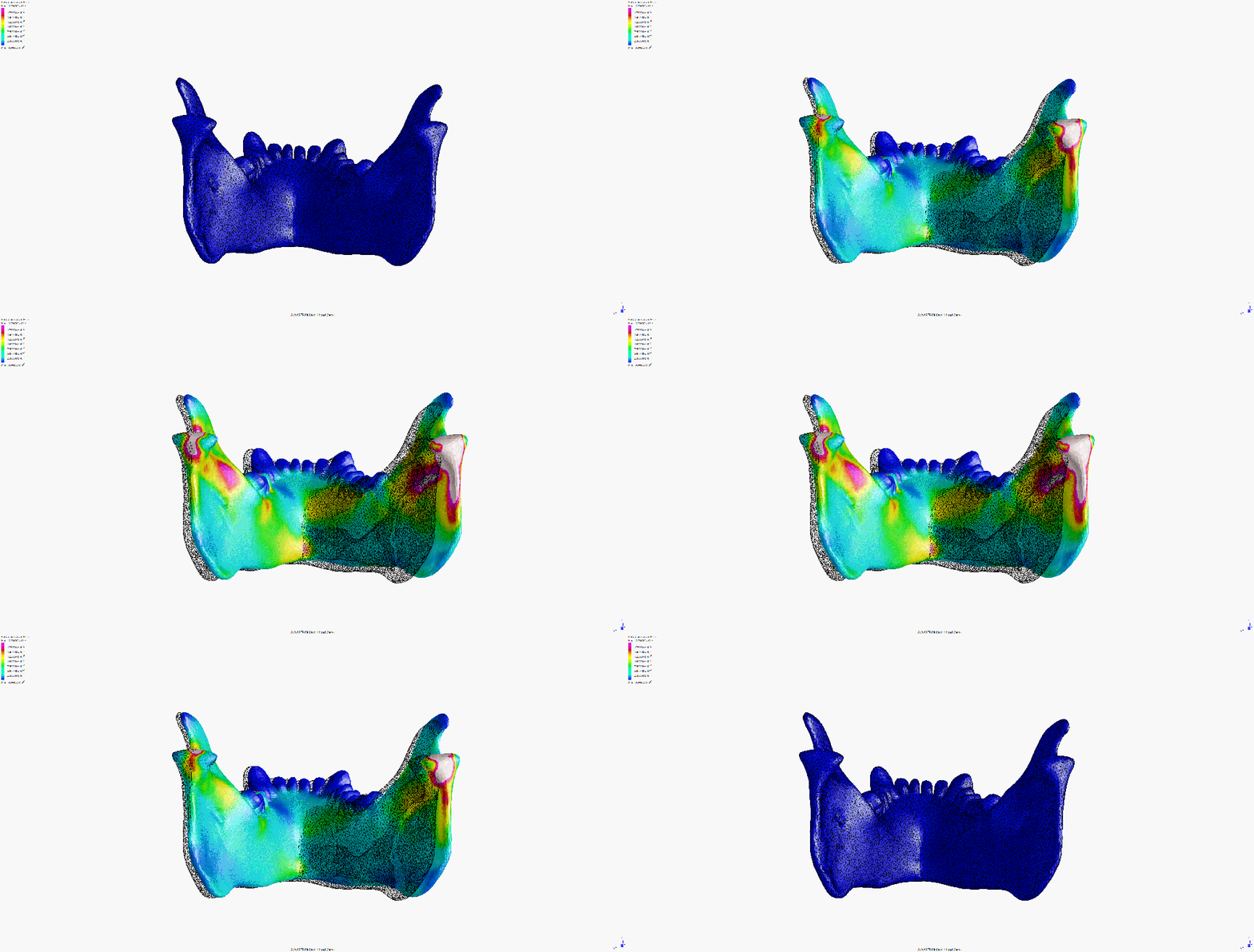
S. libidinosus is a robust capuchin that eats hard foods with the aid of tools.
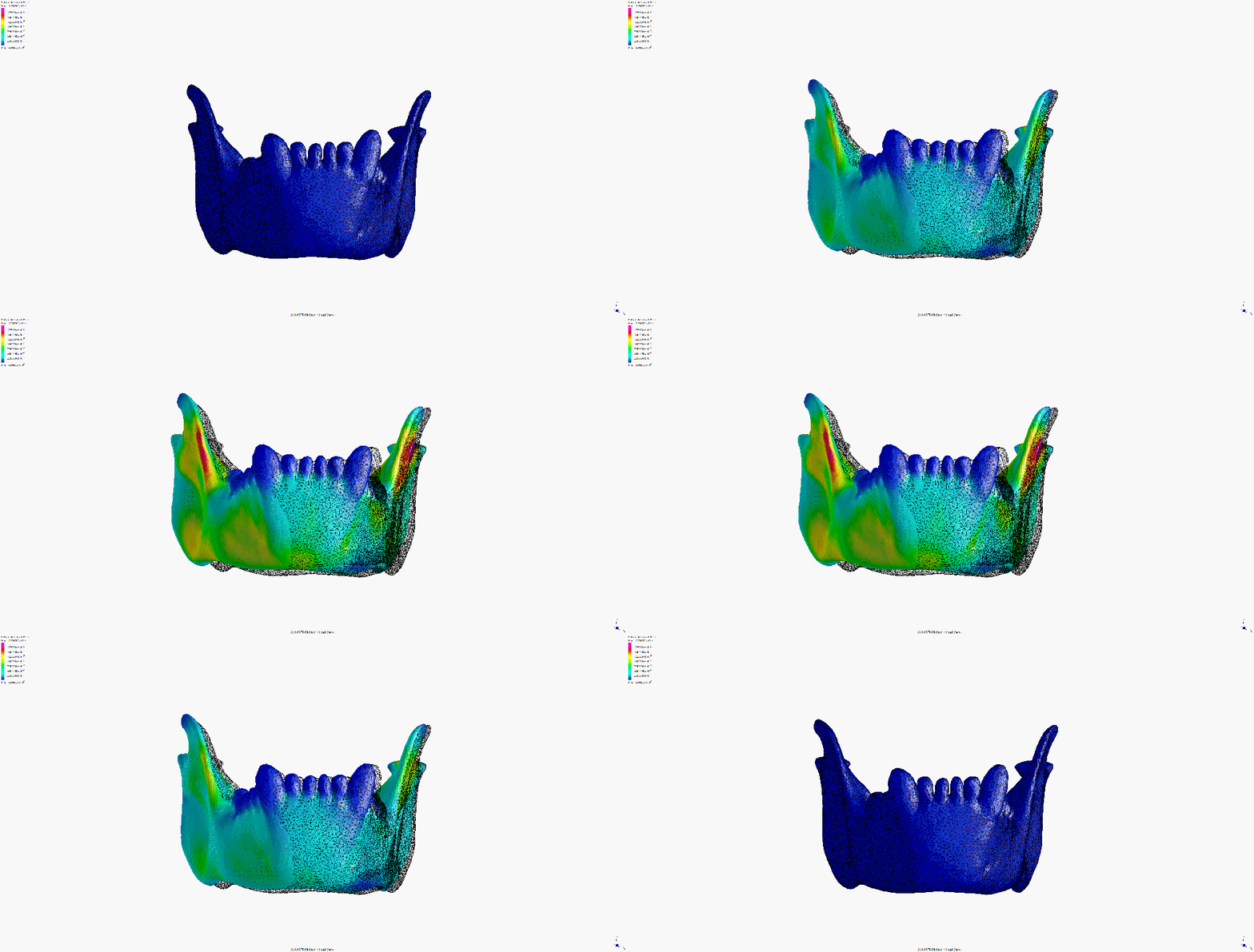
Deformation and strain regime of gracile capuchin monkey (Cebus olivaceus). Posterior view above, anterior view below.
C. olivaceus is a gracile capuchin that relies on softer foods like fruits.





 Amanda L. Smith