Hot off the press!
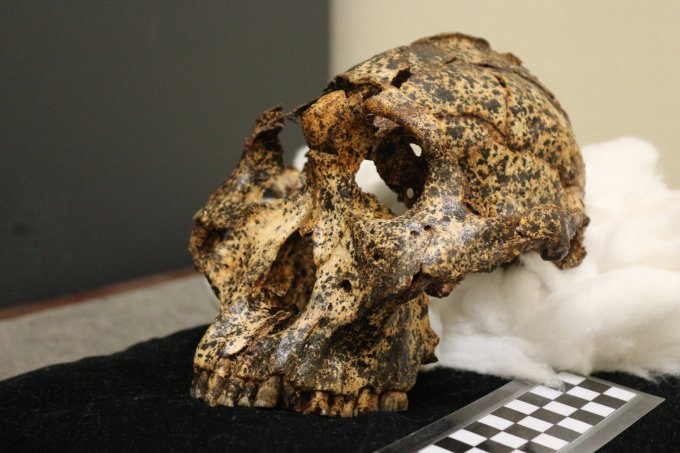
Last week, a research group I’m part of published a paper in Nature Ecology & Evolution describing new fossil material from an extinct human ancestor (Paranthropus robustus) that lived in South Africa around 2 million years ago.
Previously, certain differences in the skull shape of this species were interpreted as sexual dimorphism (differences in shape of female and male individuals). But the age and features of these newly discovered specimens, coupled with local geographic and faunal evidence, led us to re-evaluate the historical hypotheses! Instead, we believe that these shape differences are an adaptive response to ecological stress in a time of rapid climate change. Over about 200,000 years, the species evolved craniofacial features that would allow it to feed on tougher or harder foods as necessary to survive.
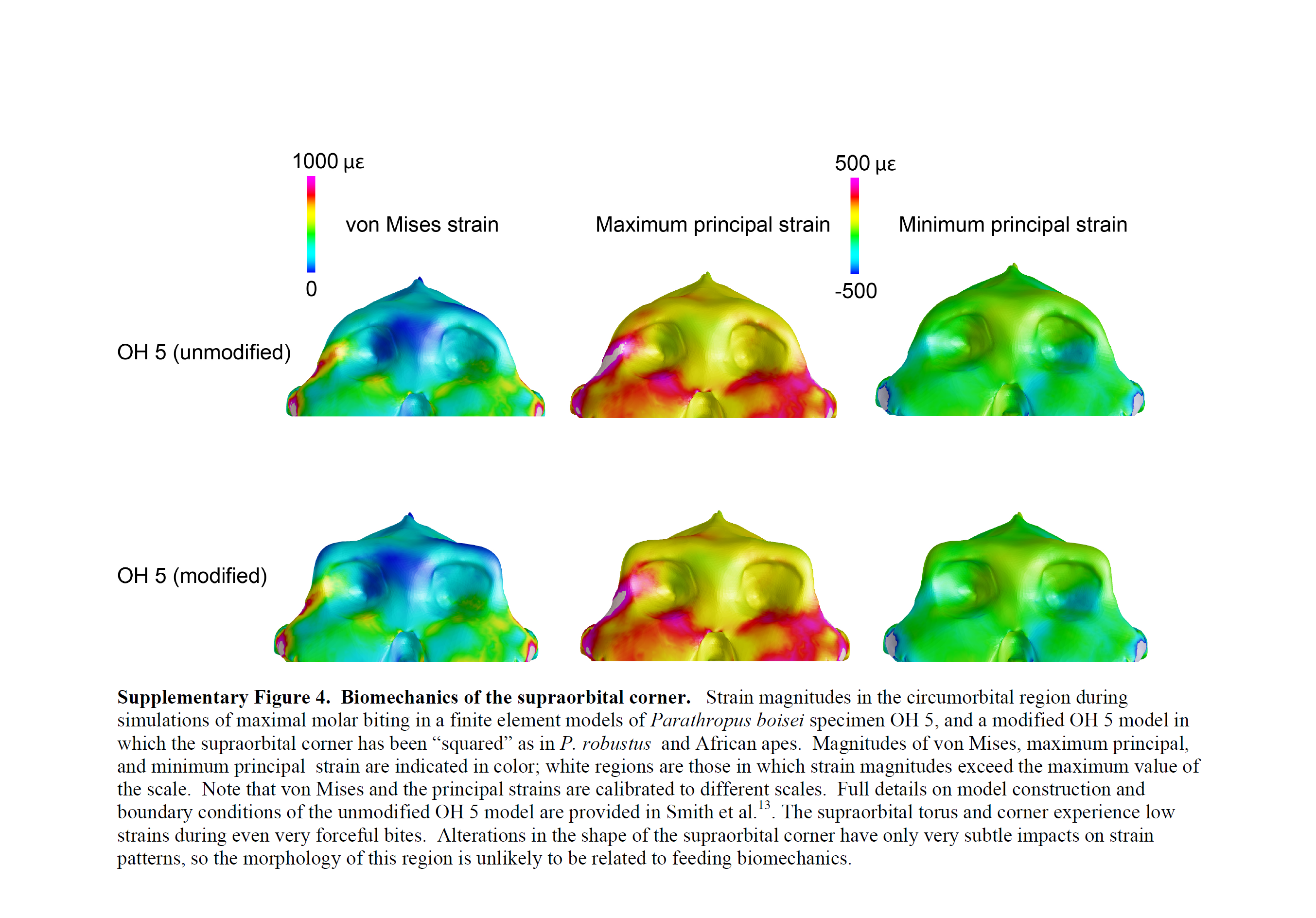
Be sure to check out the biomechanical analyses (conducted by myself and my fellow U of Albany, Strait Human Paleobiology lab mate), Justin Ledogar.
Link to the full paper here: https://www.nature.com/articles/s41559-020-01319-6





 Amanda L. Smith